
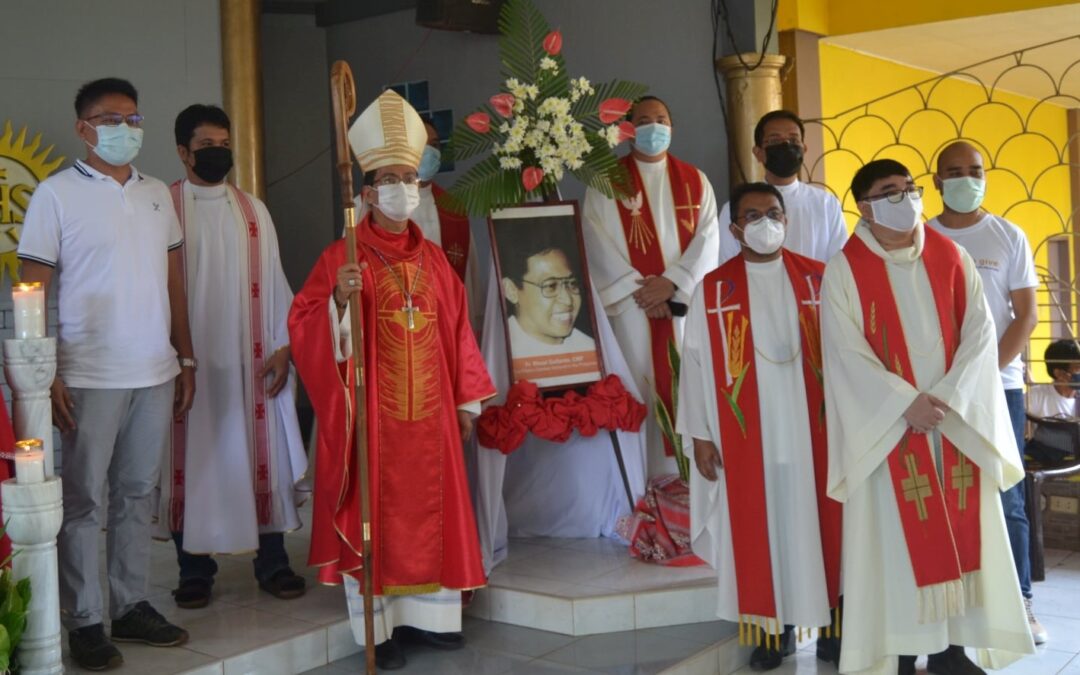
On the Road to the Opening of the Process of the Cause of the Martyrdom of Fr. Rhoel Gallardo, Claretian Missionary from the Philippines
The Claretian Missionaries of the Philippine Province, as it celebrates its 75th year of Claretian presence in the Philippines, has begun preparing the documentation for the initiation of the process of beatification due to the martyrdom of Father Rhoel Gallardo. He was a Claretian priest kidnapped by the Muslim extremist group Abu Sayyaf and murdered on May 3, 2000, on the island of Basilan.
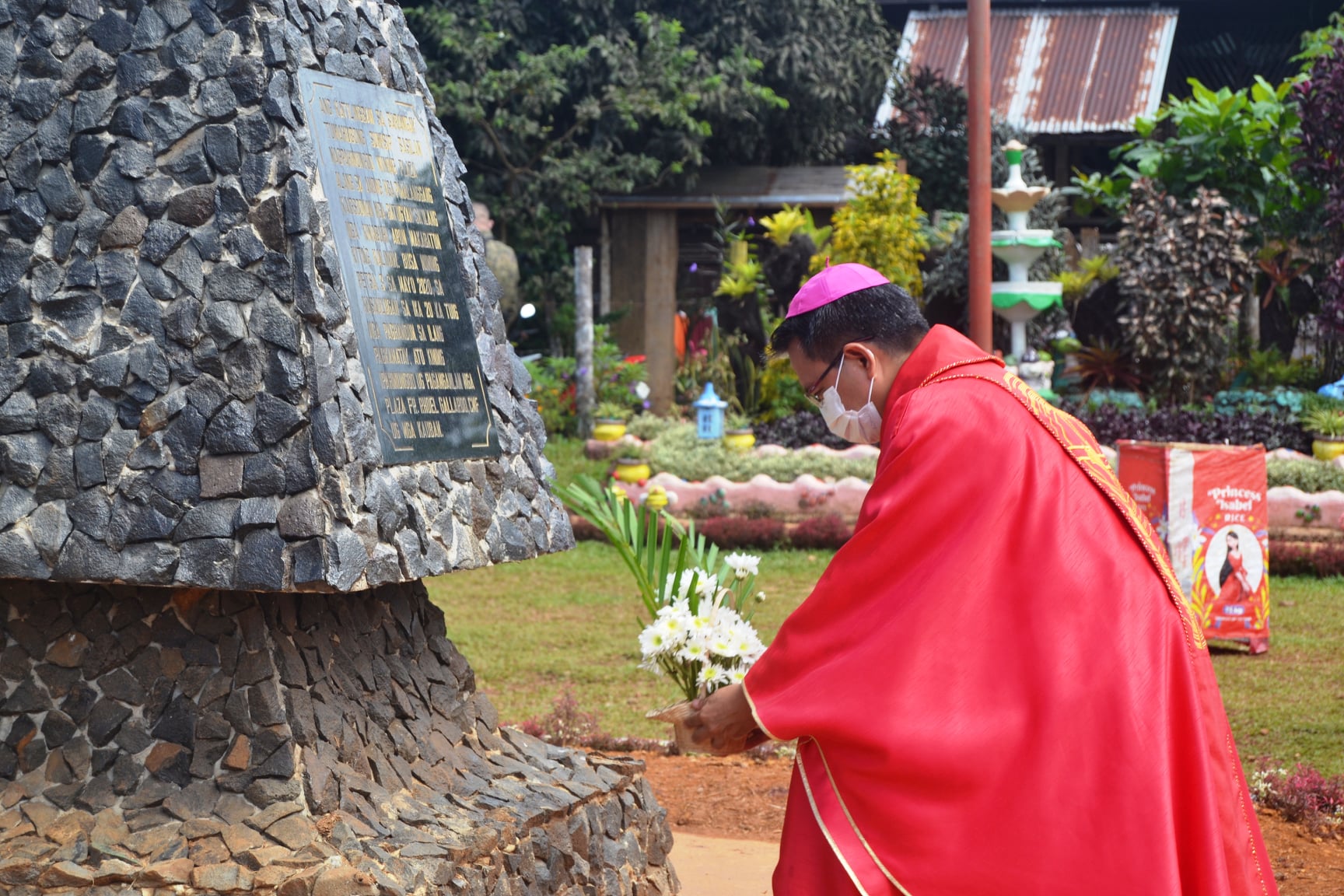
On May 3, 2021, Msgr. Leo Dalmao, CMF, prelate of the Territorial Prelature of Isabela, celebrated the Eucharist for the twenty-first death anniversary of Father Rhoel and the start of these preparations. It took place at the San Vicente Ferrer Parish church in Tumahubong, the village where the priest carried out his ministry, praying for peace.
For the Claretians, Tumahubong is tantamount to Gallardo and to many others who also shed their blood for their faith and principles. It is the promised land, the testing ground of arduous hearts for the mission, the love of those who see Jesus amidst religious and political conflicts.
On May 3, 2000, Fr. Gallardo died in a crossfire between the Abu Sayyaf group holding him hostage and the security forces trying to rescue those kidnapped. The priest, the school principal, four teachers, and students from the Claret School of Tumahubong were held in captivity from March 20. He was found with three gunshot wounds at close range to his head, shoulder, and back, and the nails of his index finger and toes had been pulled out. The bandits also killed three teachers and five children.
Basilan is a known stronghold of the Abu Sayyaf, notorious for kidnapping for ransom and other atrocities. The month and a half-long hostage crisis were also days of heroism for the 34-year-old missionary.
Witnesses said he would always look for the female teachers when they were separated from other captives. His concern irked the bandits, who punched and kicked him until he was severely bruised. Those who survived also recalled how Gallardo asked them not to lose hope and pray the rosary. They would do so discretely as their captors prohibited them from praying, even forcing them to denounce Christianity.
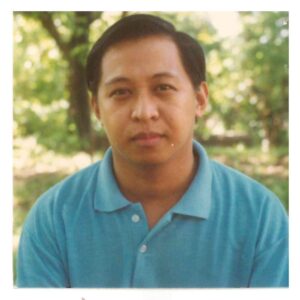
Father Rhoel Gallardo was born in Olongapo City, north of Manila, on 29 November 1965. Gallardo had a first taste of missionary life during his novitiate in Zamboanga City’s town of Bunguiao. He made his first religious profession in 1989 in Isabela and completed his pastoral year in Maluso town, also in Basilan. In his application for the perpetual profession, he wrote: “My pastoral immersion in Basilan last year made me experience concretely our witnessing and evangelizing life and mission to the poor (as well as) our Community’s presence in the dialogue of life and faith with our Muslim brothers and sisters”. “These experiences, as a whole, have become a real challenge to me to be a committed missionary and active witness to God’s liberating love for humanity… conscious that our life and mission demand a total giving of ourselves for the greater glory of God and the salvation of humankind”, he added.
Gallardo made his perpetual profession in 1993 and was ordained to the priesthood at the Immaculate Heart of Mary Parish in Quezon City in 1994. A few years after his ordination, he had volunteered to go to Tumahubong, a village in the Town of Sumisip, Basilan Province, where he served as the Claret School director and parish priest of San Vicente Ferrer Parish.
Father Gallardo was the first priest kidnapped in Basilan to be killed. Other priests and nuns had been seized, even beaten, but in the end, everyone was freed. People already think of him as a martyr, a hero. The other hostages said that he did not want to give up the cross and the rosary, as the Islamists wanted. That’s why they tortured him by ripping off his nails. He suffered a lot; yet, as school director even in captivity, he cared first of all about the teachers and the children entrusted to him. He offered his life for the people around him.

You must be logged in to post a comment.